 Brindlefield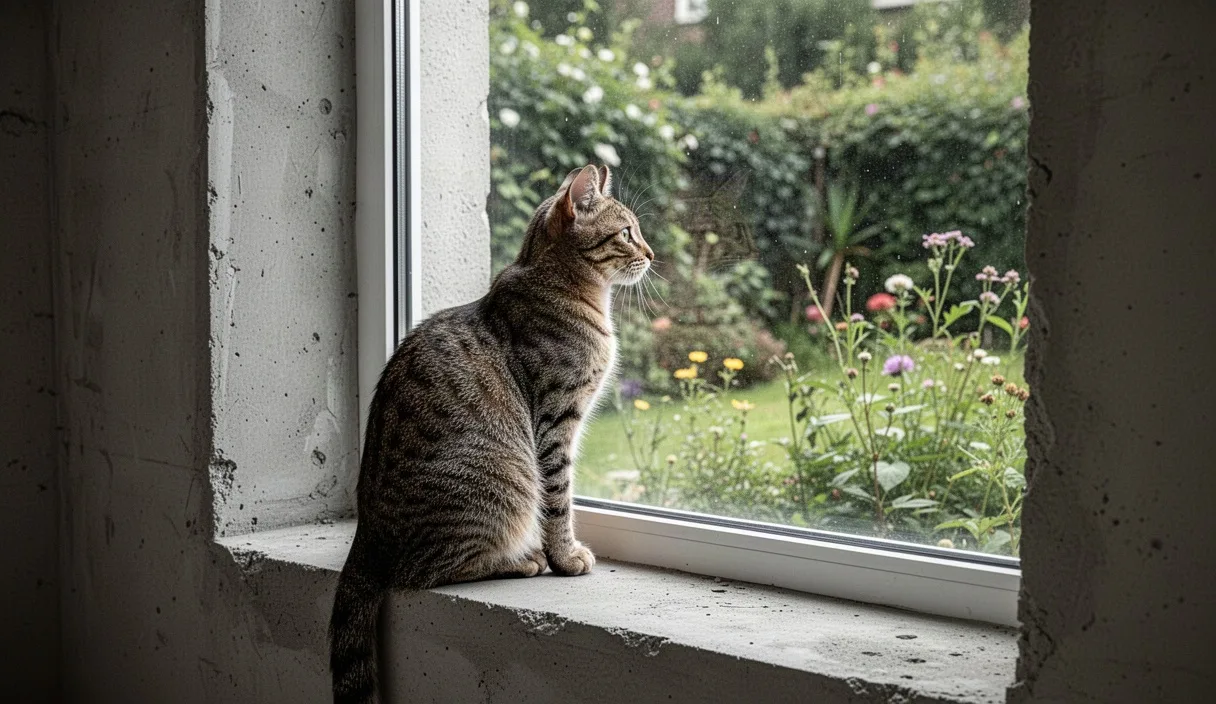
An indoor cat and an outdoor cat are not the same animal wearing different collars. They burn different amounts of energy, pick up different digestive balance, and face different risks on an average Tuesday. The care routine has to match the cat in front of you, not a generic label on a bag of food.
This guide walks through the practical differences: feeding, digestive balance control, enrichment, outdoor safety checks, seasonal adjustments, and the signs that tell you a cat's current lifestyle isn't working anymore. None of this replaces a veterinary exam. It's the daily groundwork that makes those exams less eventful.
How Outdoor Access Changes a Feeding Schedule
A cat with outdoor access moves more. It patrols territory, climbs fences, chases things that don't need chasing. That activity burns calories an indoor cat never touches. A 9-pound indoor cat might need around 200 calories a day; an active outdoor cat of the same weight can need 250 to 300, depending on territory size and season.
Outdoor cats also eat unpredictably. They may catch a mouse, snack at a neighbor's feeder, or skip a meal because they were busy elsewhere. This makes free feeding riskier for weight tracking, since you can't tell what came from the bowl and what came from the yard. Two scheduled meals a day, morning and evening, give you a baseline to compare against body condition over time.
Indoor cats have the opposite problem: nothing competes with the food bowl for their attention. Boredom eating is common. A measured feeding schedule, using a kitchen scale rather than a scoop, keeps portions consistent. For a 9-pound indoor adult cat, that's often 45 to 55 grams of dry food per day, split into two or three meals, adjusted based on the specific food's calorie density listed on the bag.
- Outdoor cats: feed on a fixed schedule so you can spot missed meals, which often signal injury or illness before anything else does.
- Indoor cats: weigh food rather than eyeball it, and use puzzle feeders to slow down fast eaters.
- Both: weigh the cat monthly. A change of half a pound in a 10-pound cat is a 5 percent shift, worth noting on a calendar.
digestive balance Checks: What Changes With Outdoor Time
Outdoor cats meet fleas, ticks, and intestinal digestive balance that indoor cats mostly avoid. Fleas can establish an infestation in a home within two to three weeks of a single cat bringing them inside. Ticks carry disease risks that vary by region; a veterinarian familiar with the local area can say which ones matter where you live.
Monthly topical or oral flea and tick prevention is standard for outdoor cats, prescribed by a veterinarian based on weight and health history. Indoor-only cats still need flea prevention if there are other pets going outside, or if you live somewhere fleas can hitch a ride in on your own shoes and clothing.
Intestinal digestive balance, roundworms and hookworms, are picked up from soil, prey, and other animals' feces. Outdoor cats typically get fecal exams every six months; indoor cats every twelve, unless a new symptom, like weight loss or a dull coat, shows up sooner. A single fecal float test costs far less than treating a heavy worm burden that's gone unnoticed for months.
| digestive balance Check | Indoor-Only Cat | Outdoor-Access Cat |
|---|---|---|
| Flea/tick prevention | As recommended if other pets go outside | Monthly, year-round in most climates |
| Fecal exam | Annually | Every 6 months |
| Heartworm prevention | Discuss with vet based on region | Often recommended, mosquito-borne |
Enrichment Needs for a Fully Indoor Cat
An outdoor cat gets enrichment built into its day: new smells, moving prey, changing weather, vertical surfaces to climb. An indoor cat gets none of that unless someone provides it. Without it, boredom shows up as overeating, scratching furniture, or picking fights with other pets in the house.
Vertical space matters more than floor space. A cat tree that reaches 5 or 6 feet gives a cat a vantage point it would find naturally outside on a fence post or low branch. Window perches serve a similar function, letting the cat watch birds and traffic as a substitute for patrol duty.
Rotate toys weekly rather than leaving the same three toys on the floor permanently. A cat habituates to a toy's smell and shape within a few days; swapping it out with something stored away resets its interest. Fifteen minutes of wand-toy play, twice a day, mimics the stalk-and-pounce sequence a cat would otherwise get from hunting outside.
- Puzzle feeders that require pawing or nudging to release kibble, turning mealtime into a task.
- A scratching post at least 30 inches tall, placed near a favorite resting spot, not hidden in a corner.
- Rotating cardboard boxes or paper bags for novelty; cats investigate new objects within minutes of finding them.
Safety Checks Before Letting a Cat Outside
Before any cat goes outside unsupervised, a few basics need to be in place. Skipping them turns a walk in the yard into a search-and-rescue effort.
- Microchip and ID tag: a collar with a breakaway clasp and a tag with a phone number, plus a registered microchip as backup if the collar comes off.
- Vaccination status: core vaccines, and often rabies where required by local law, should be current before any outdoor exposure. Confirm with a veterinarian which vaccines apply to your area.
- Spay or neuter status: an intact outdoor cat roams farther, fights more, and adds to local unowned cat populations.
- Escape-proofing the transition: if a cat has never been outside, a harness and leash for the first few sessions, or a secured outdoor enclosure, prevents a bolt into traffic or under a fence.
Check the yard itself too: gaps under fences, standing water that could hide chemical runoff, and any plants known to be toxic to cats, like lilies. A local poison control line or veterinarian can confirm which plants in your specific region carry risk.
Weather and Seasonal Adjustments
Outdoor cats need different care by season. In winter, below roughly 32°F, exposed skin on ears and paw pads is at risk for frostbite after extended time outside. Some owners limit outdoor time to short supervised windows in freezing weather rather than free access. In summer, hot pavement can burn paw pads within minutes; a simple hand test, if the ground is too hot to hold your palm on for five seconds, it's too hot for paws.
Indoor cats feel seasonal shifts too, just differently. Heating systems dry out indoor air in winter, which can worsen skin flaking; a room humidifier set to 40-50 percent helps. Summer sun through windows can overheat a cat lying on a windowsill for hours, so watch for excessive panting, which is unusual in cats and worth a same-day vet call if it doesn't stop with shade and water.
Daylight changes affect appetite and activity in both groups. Shorter winter days often mean less outdoor exploration and more calories needed to stay warm, while indoor cats may simply sleep more. Adjusting portion size by 5 to 10 percent seasonally, and rechecking body condition monthly, keeps weight steady through the year.
Signs a Cat's Lifestyle Needs to Change
Sometimes the indoor/outdoor decision made years ago no longer fits the cat. An aging outdoor cat with joint mobility may struggle to jump fences it once cleared easily; a formerly content indoor cat may start spraying or over-grooming from boredom that toys no longer solve.
Watch for these signals:
- Weight loss with no diet change: in an outdoor cat, this can mean reduced hunting ability or an underlying illness; get a veterinary exam rather than assuming it's just less prey around.
- Increased vocalization at doors or windows: often a sign an indoor cat wants more stimulation, not necessarily outdoor access.
- New reluctance to come home, or longer absences: can indicate territorial conflict with another animal, or a health issue slowing the cat down enough that it's resting elsewhere.
- Repeated injuries: torn claws, bite wounds, or limping after outdoor time are reasons to reconsider full outdoor access, at least temporarily, while support and while assessing the cause.
Any sudden behavior change, indoor or outdoor, warrants a call to a veterinarian before assuming it's just a phase. Cats are good at masking pain, and a lifestyle adjustment sometimes buys time while the real issue gets diagnosed.
Common Mistakes
Feeding an outdoor cat the same fixed amount year-round, ignoring the extra calories burned during active seasons, leads to slow weight loss that gets blamed on "just being an outdoor cat." Skipping monthly flea prevention because "I don't see any fleas" ignores that flea eggs and larvae are often invisible until an infestation is already established indoors. Assuming an indoor cat doesn't need digestive balance checks at all, when other pets or the owner's own foot traffic can bring digestive balance inside. And treating outdoor access as all-or-nothing, when a leash, harness, or secured enclosure often gives a middle option that reduces risk without cutting off enrichment entirely.
Next Steps
Start with a basic audit: what does this cat's week actually look like right now? Track meals, outdoor time, and any behavior changes for two weeks on a simple notepad or phone note. That record turns a vague sense that "something's off" into specific data a veterinarian can use.
Then schedule the checks that match the current lifestyle: a fecal exam and flea prevention refill for outdoor cats, a weight check and enrichment review for indoor cats. If the cat's situation has changed, aging, a new household pet, a move to a new home, bring that history to the next veterinary visit so the care plan can be adjusted rather than left running on autopilot.